Site preparation is a critical aspect of land management that often goes overlooked in favor of more glamorous projects. Whether dealing with forestry mulching, invasive species removal, or lot clearing, the effectiveness and sustainability of these activities largely depend on thorough site preparation. A well-prepared site enhances land use efficiency, reduces costs, and mitigates risks associated with environmental degradation and wildfires.
Understanding Site Preparation
Site preparation involves a series of tasks that ready land for its intended use. This might include vegetation management, soil conditioning, and grading to ensure optimal conditions for planting or construction. The depth and type of mulch used can significantly impact soil health and moisture retention. For instance, using the right forestry mulcher can help create an ideal mulch depth that protects the underlying soil while promoting healthy plant growth.
Effective site preparation starts with assessing the existing conditions of the land. This includes evaluating not just the physical terrain but also understanding the ecological context — such as native species present, potential invasive species threats, and the overall health of local ecosystems. Armed with this information, land managers can make informed decisions about which techniques to employ.
The Role of Equipment in Site Preparation
The selection of equipment plays a pivotal role in successful site preparation. A variety of machines can be utilized depending on the specific needs of the project. For instance:
- Forestry Mulchers: These are essential for clearing dense vegetation effectively while minimizing soil disturbance. Options include skid steer mulchers, excavator mulchers, and high flow mulchers. Each has distinct advantages based on power requirements and maneuverability. Drum Mulchers vs Disc Mulchers: Both serve similar purposes but offer different cutting mechanisms. Drum mulchers tend to handle larger material efficiently but may require more horsepower compared to disc models. Stump Grinders: After land clearing activities, removing stumps efficiently is crucial for future landscaping or construction efforts. Stump grinders come in various sizes and styles suited for different types of terrain.
Choosing the best equipment not only affects operational efficiency but also influences cost-effectiveness over time. Understanding how each piece operates within your landscape allows for better long-term planning.
Enhancing Land Use Efficiency Through Regular Maintenance
Regular maintenance is key to sustaining land use efficiency post-site preparation. This involves ongoing management practices such as right-of-way maintenance and fuel reduction strategies to mitigate wildfire risks. Allowing vegetation to regrow unchecked can lead to increased fire hazards and habitat degradation over time.
Engaging in practices like forest mastication can help manage underbrush effectively while promoting healthier tree growth by reducing competition for resources. These methods contribute not only to improved aesthetics but also enhance biodiversity by preserving native plant species while controlling invasive ones.
Implementing an eco-friendly approach to land clearing further enhances efficiency while protecting natural resources. Techniques like selective brush cutting allow you to maintain desirable vegetation while removing unwanted species without harsh chemicals or extensive machinery use.
The Connection Between Site Preparation and Habitat Restoration
Habitat restoration often follows initial site preparation efforts, particularly after disturbances caused by logging or agriculture. Creating suitable habitats requires thorough planning and consideration of local flora and fauna needs. Post-clearing activities should involve planting native species that will thrive in restored areas while preventing erosion through root systems that stabilize soil.
Regular monitoring after restoration efforts ensures that biodiversity goals are being met as well as informs necessary adjustments if certain species do not thrive as expected due to unforeseen environmental factors.
Cost Considerations in Land Management Services
Understanding the economic aspects tied to site preparation is essential for effective budgeting in any land management project. Costs associated with clearing land per acre can vary significantly based on several factors including:
- Type of equipment used Size and density of vegetation Terrain difficulty Local labor costs
Investing in proper site preparation initially may seem daunting; however, it often translates into long-term savings by reducing future maintenance costs associated with erosion control or invasive species management.
Additionally, engaging reputable companies specializing in forestry equipment rental can mitigate up-front capital costs when purchasing machinery isn't feasible for your needs.
Practical Applications: Successful Case Studies
Numerous successful case studies illustrate how effective site preparation has enhanced land use efficiency across various sectors:
Wildfire Mitigation Projects: In areas prone to wildfires, proactive fuel reduction measures have proven invaluable — strategically thinning forests has not only lessened fire risks but also improved wildlife habitats.
Agricultural Expansion: Farmers who prioritize meticulous ground prep before planting typically see higher yields due to improved soil health resulting from proper mulching techniques.
Urban Development Initiatives: Cities implementing eco-friendly land clearing practices have reported cleaner construction sites with fewer environmental penalties arising from runoff issues associated with poorly managed sites.
These examples underscore both immediate benefits such as reduced operational risks along with long-term gains in productivity driven by thoughtful planning around site prep activities.
Environmental Impacts and Sustainability
As concerns about climate change mount globally, integrating sustainable practices into every stage of land management becomes increasingly crucial. Stakeholders must consider how their actions contribute to overall ecosystem health — adopting methods like regenerative agriculture alongside traditional practices promotes carbon sequestration while improving water quality through reduced runoff.
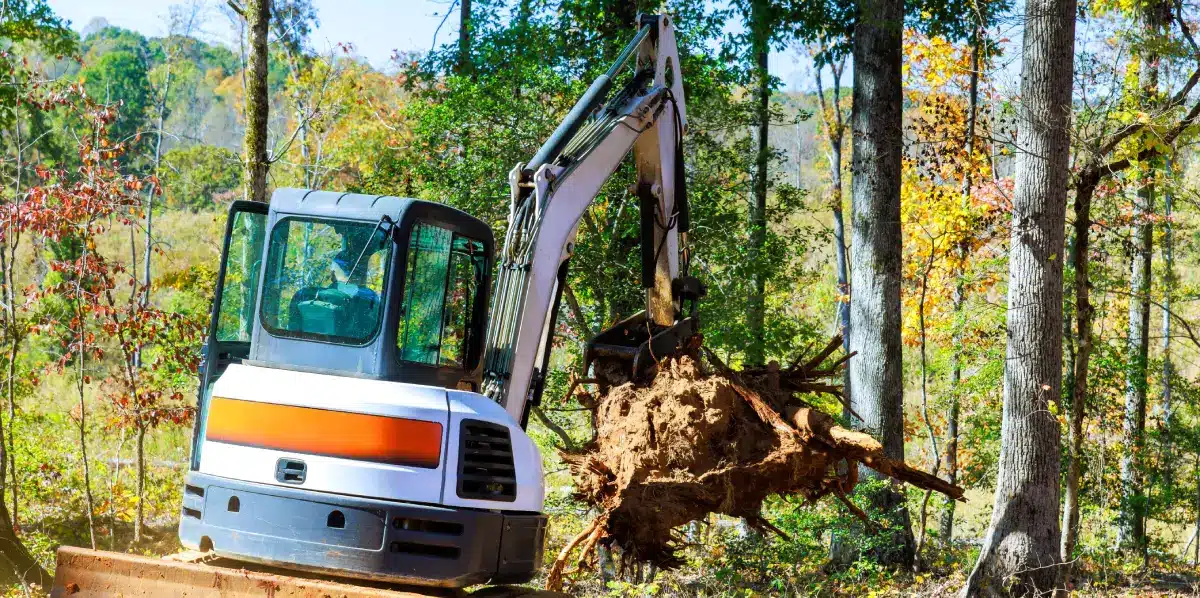
Utilizing advanced forestry equipment designed machine mulcher reviews specifically for low-impact operations minimizes disturbances during processes like stump grinding or right-of-way clearing—keeping ecosystems intact whenever possible leads directly towards enhancing overall resilience against shifting climatic conditions.
Planning for sustainability does not mean sacrificing efficiency; rather it represents a paradigm where responsible stewardship aligns harmoniously with economic interests—the ultimate goal being thriving landscapes capable of supporting diverse life forms both now and far into the future.
In summary, investing time into regular site preparation translates directly into enhanced land-use efficiency across various applications—from residential lots needing clearance before building begins all through large-scale forest management initiatives aimed at balancing human needs with preservation efforts surrounding natural habitats alike—creating landscapes capable of thriving under continued pressures from development is paramount moving forward into tomorrow’s challenges ahead!