Wildfires are an escalating threat in many regions, fueled by climate change, land mismanagement, and urban encroachment. As the frequency and intensity of these fires increase, it becomes critical to adopt proactive wildfire mitigation strategies. These efforts not only safeguard human lives and property but also protect vital ecosystems. Implementing effective vegetation management techniques can significantly reduce fire risks and foster healthier landscapes.
Understanding Wildfire Risks
The complexity of wildfire risks stems from various factors including weather patterns, topography, and vegetation types. Hotter temperatures and prolonged droughts contribute to dry conditions that are conducive to wildfires. Regions with a high density of vegetation, particularly areas where invasive species thrive, face compounded risks due to increased fuel loads.
Effective mitigation begins with understanding specific local conditions. For instance, in California, the Santa Ana winds can rapidly spread fires across vast distances. Meanwhile, the dense underbrush found in many forests across the Pacific Northwest can create additional challenges for firefighting efforts.
The Role of Vegetation Management
Vegetation management is at the heart of wildfire mitigation. By strategically managing plant life in fire-prone areas, we can reduce fuel loads that exacerbate fire spread. This includes various techniques such as clearing brush, thinning trees, and removing dead vegetation.
Techniques for Effective Vegetation Management
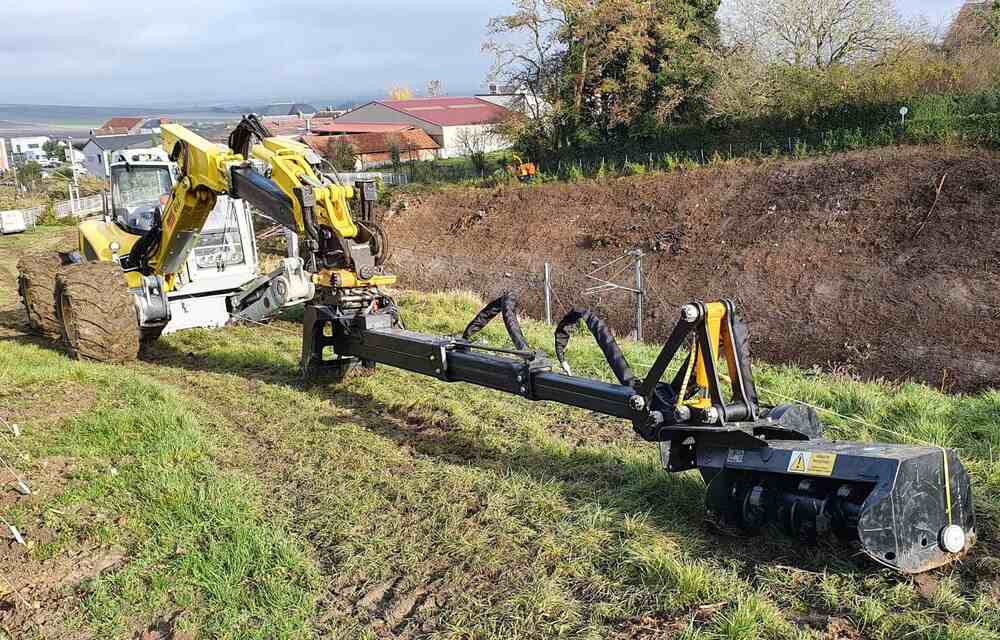
Forestry Mulching: Utilizing a forestry mulcher is one of the most efficient methods for land clearing and reducing excess vegetation. This equipment chips up trees and brush into mulch that can be left on-site to decompose and enrich the soil while simultaneously reducing fire risk.
Brush Cutting: This technique involves cutting down unwanted or hazardous vegetation close to structures or within wildland areas. Regular brush cutting helps maintain defensible space around homes.
Stump Grinding: After trees have been removed during land clearing or thinning operations, stump grinding can prevent future growth of unwanted tree species that might contribute to fire risk.
Right-of-Way Clearing: Maintaining right-of-way clearances along power lines and roads is essential for preventing accidental ignitions from fallen branches or electrical arcs.
Fuel Reduction: Reducing fuel load through selective thinning helps ensure that fires do not gain sufficient intensity to threaten nearby structures or wildlife habitats.
Each technique plays a vital role in creating a safer environment by minimizing combustible materials that can feed a wildfire.
Choosing the Right Equipment
Selecting appropriate equipment is crucial for effective wildfire mitigation efforts. The best forestry mulcher depends on the size of the project site and specific management goals. For smaller properties or residential projects, a skid steer mulcher may suffice; larger operations might require an excavator mulcher or tractor mulcher with higher horsepower capabilities.
When evaluating options like drum mulchers versus disc mulchers, consider factors such as mulch depth requirements and the types of materials you need to process. Drum mulchers often handle tougher materials better than disc models but may leave coarser mulch behind.
Cost Considerations in Land Clearing
Understanding the cost associated with land clearing is essential when planning your wildfire mitigation strategy. The cost to clear land per acre varies widely based on several factors including location, equipment used, type of vegetation present, and local labor rates.
For example, hiring professional land management services may range from $500 to $2,000 per acre depending on complexity and required tasks like invasive species removal or habitat restoration work after clearing efforts are completed. Investing in effective solutions early can lead to long-term savings by preventing potential wildfire damage costs down the road.
Invasive Species Removal
Spidermax forestry equipmentInvasive species pose a significant threat to native ecosystems while increasing wildfire risks through their rapid growth rates and high flammability. Proactively identifying and removing these species should be part of any comprehensive wildfire mitigation plan.
Common invasive plants such as cheatgrass or yellow star-thistle can dramatically alter local fire dynamics by creating continuous fuel sources that facilitate faster spreading fires compared to native plants that are more resilient to fire events.
Implementing strategies for invasive species removal may involve manual removal techniques using hand tools or mechanical methods such as mowing or targeted herbicide applications depending on local regulations and ecological considerations.
Habitat Restoration Post-Clearing
After executing initial wildfire mitigation measures through land clearing or invasive species removal efforts, habitat restoration becomes an important next step in ensuring ecological balance remains intact within affected areas.
Restoration activities might include planting native seeds suited for local environments which help stabilize soils while providing food sources for wildlife populations displaced by previous disturbances caused by wildfires or human activities like logging.
By fostering healthy ecosystems post-mitigation work rather than just focusing solely on prevention strategies upfront leads towards sustainable practices beneficial both environmentally while reducing future risks tied back directly into our communities living within those landscapes heavily impacted by wildfires historically speaking throughout recent years observed nationwide trends across different regions alike too!
Community Engagement in Wildfire Preparedness
Creating a safer environment against wildfires extends beyond individual actions; it requires community involvement as well. Local governments should encourage residents to participate in community-wide cleanup days aimed at reducing fuels around homes while educating them about best spidermaxusa.com machine mulcher practices regarding defensible space requirements surrounding their dwellings effectively protecting themselves ultimately achieving collective goals helping tackle this pressing challenge head-on together unitedly striving towards resilience against potential threats posed by these destructive natural disasters facing society today!
Engagement initiatives could include workshops focused on proper landscaping techniques designed specifically tailored towards mitigating risks associated with wildfires enabling homeowners make informed choices when selecting plants suitable growing near structures avoiding highly flammable options promoting overall safety enhancing aesthetics without compromising security whatsoever!
Conclusion: The Path Forward
The path towards creating a safer environment through proactive wildfire mitigation efforts lies in understanding specific risks while implementing effective vegetation management practices alongside community engagement initiatives fostering cooperation between residents authorities alike collaborating harmoniously achieving shared objectives collectively safeguarding our homes preserving nature's beauty amidst changing climates unpredictable weather patterns threatening us now more than ever before!
As we advance into uncertain times marked by heightened environmental challenges associated with climate change adapting evolving strategies incorporating innovative solutions grounded principles rooted deeply within responsible stewardship caring for landscapes entrusted us will remain paramount ensuring sustainable futures generations yet unborn inherit thriving ecosystems resilient withstand forces potentially unleashed upon them unprepared otherwise if we fail uphold duty protect preserve what matters most dearly!